By Ashley Kang
 In 2009, a new mode of financial transactions came into the hands of consumers worldwide through the creation of Bitcoin, the first cryptocurrency. Bitcoin is a digital payment currency that utilizes cryptocurrency and peer-to-peer technology to create and manage monetary transactions without the intervention of banks and outside the scrutiny of government entities. Individuals can get bitcoins in several ways including purchasing them with ‘real’ money, accepting payment in bitcoins, and participating in bitcoin mining. While most people are aware of about Bitcoin’s significant presence and success in the financial market, many are unaware of the impact bitcoin mining has on the environment.
Bitcoin mining is performed by high-powered computers solving complex computational math problems. When a computer solves a puzzle, it then stores that information in a blockchain. A blockchain is a database storing bitcoin transaction records that is distributed across peer-to-peer network. When bitcoin miners add a new block of transactions to the blockchain, they are awarded bitcoin. As simple as that sounds, bitcoin is only awarded to the miners that solve the puzzles first. The competition surrounding bitcoin mining led to individuals seeking out more powerful computers, faster internet connection, and cheaper infrastructural services, especially electricity, to maximize the possibility of profiting from bitcoin mining.
Unfortunately, there is a darker side to that modern treasure hunt for riches. Computers must be run continuously and as a result, create significant demands on the energy sector. A typical server consumes approximately 1.5 kilowatts of energy. Multiply that by the hundreds of thousands of machines engaged in Bitcoin mining, and the environmental impact is significant. Bitcoin miners have also started to locate their computational mining equipment in geographical locations that have less restrictive environmental regulations and that offer cheap energy in order to enhance their profits. As a result, cryptocurrency mining has relied on both dirty energy sources, such as coal, as well as renewable energy. Depending on the energy source, researchers estimate that crypto mining can produce up to 15 million tons of global carbon emissions annually. Yet, local and federal governments have not created regulatory oversight mechanisms to address these new environmental issues caused by crypto mining. Undoubtedly, as new kinds of cryptocurrencies emerge and gain popularity, new regulations directing actions of bitcoin miners will have to be considered in the near future.
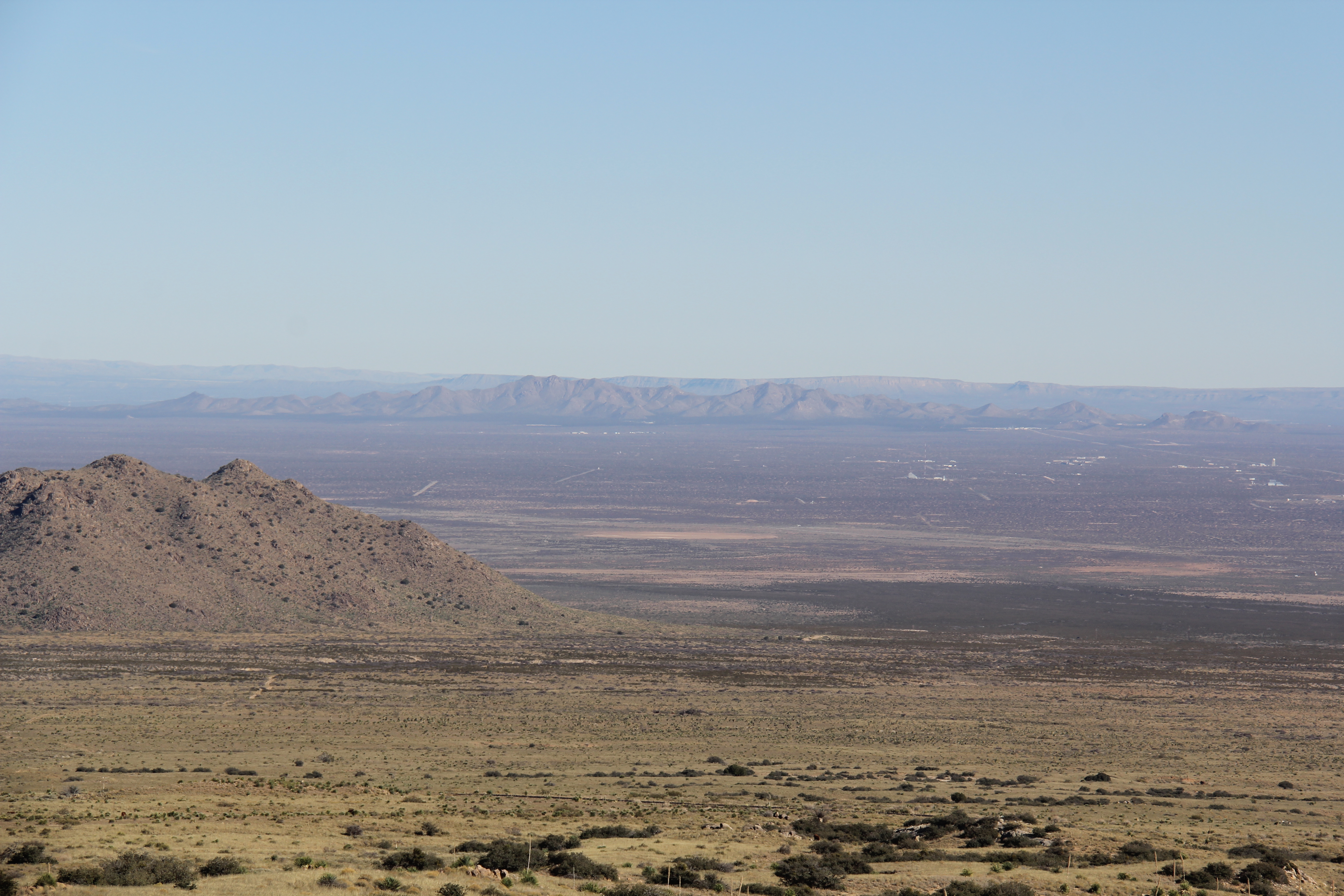
 Under the 1848 Treaty of Guadalupe Hidalgo, the Rio Grande River is the formal boundary between the U.S. and Mexico for much of the US-Mexico border. However, rivers naturally change their course over time, whether because of erosion, floods, or other natural events. A serious flood in 1864 altered the course of the Rio Grand in the El Paso area, creating a land dispute between the US and Mexico that remained unresolved for nearly 100 years. The land that now constitutes the Chamizal National Memorial had originally been located south of the Rio Grande; however, with the change of the Rio Grande’s course, it was suddenly located north of it. Given that the Treaty of Guadalupe Hidalgo designated the north side as US territory, that might seem to make the Chamizal land US soil. (Similar things happened, but in reverse, on other parts of the Rio Grande.)
 On the other hand, under long-standing doctrines governing land ownership related to rivers, ownership should not have changed. Gradual changes of the course of rivers, usually due to gradual erosion of river banks and gradual deposit of land on other parts of river banks (a process referred to as accretion), is deemed to change property boundaries (and thus land ownership). However, as the late Professor Joseph Sax taught me in law school many many years ago, sudden changes of the course of a river, for example when a flood suddenly and drastically changes a river bed and thus the course of a stream (a process referred to as avulsion), do not alter property ownership and land boundaries. Hence, given that the change in the course of the Rio Grande was due to a sudden flood, land ownership was not altered. (There were of course other legal issues involved in the dispute.)


 Citizen Yang